







Search Results for: Fully Ripe Cherries
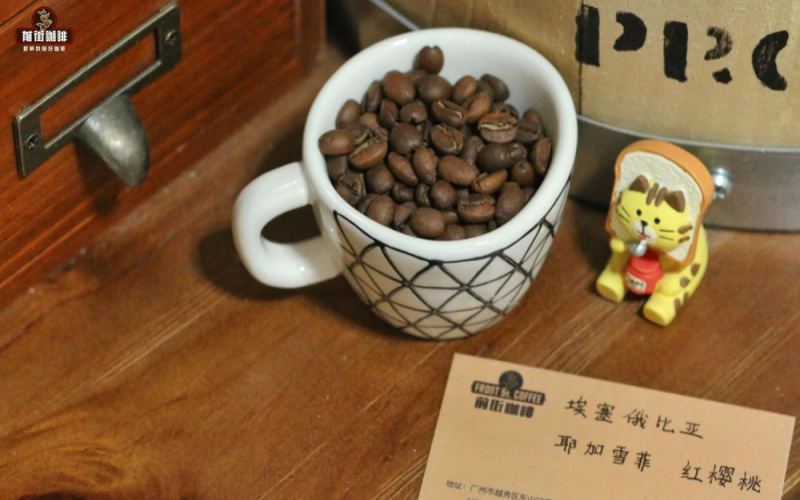
The Red Cherry Project and the Flavor Story of Yirgacheffe Natural Beans, Plus Pour-Over Parameter Analysis
In the specialty coffee world, "Red Cherry" has become synonymous with high-quality Ethiopian beans. The name comes from the appearance of ripe coffee cherries, which closely resemble cherries, and behind it is Operation Cherrie Red, initiated by the Dutch company Trabocca, aimed at encouraging smallholder farmers to harvest only fully ripe cherries to improve flavor. This article will guide you through the origins, operating mechanism, and covered producing regions of the Red Cherry project, and focus on the flavor performance of Front Street Yirgacheffe Natural Red Cherry coffee beans—from light roast notes of peach, cocoa, honey, and lemon, to the fermented fruit aromas and citrus sweetness of medium-roast SOE, along with recommended pour-over extraction parameters and brewing techniques. [Image 1] [more…]
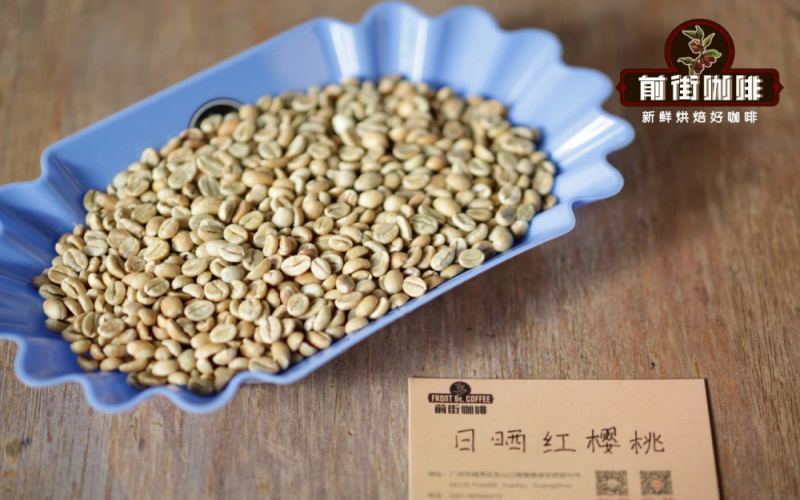
Front Street Yirgacheffe Red Honey Fully Ripe Cherry Flavor Analysis and Pour-Over Parameter Guide
Yirgacheffe, as one of Ethiopia's most representative regions, has always been loved for its bright floral and fruity notes. The introduction of the red honey process allows this classic region to retain its cleanliness while gaining fuller sweetness and body. This article focuses on the Front Street Coffee Yirgacheffe Gersi red honey processed lot, tracing its flavor sources one by one—from the all-red cherry picking standard, 58-hour anaerobic pre-fermentation, and extended sun-drying of more than 15 days, to the process of depulping while retaining more mucilage. This G1 lot, custom-made by DWD for China Tea, shares the same region, same bean variety, and same processing plant as Aodibei Yirga Cherry. After light roasting, flavors of jasmine, elderflower, oolong tea, strawberry, orange, nectarine, pineapple, and mango interweave, with high sweetness and a strong finish, combining the cleanliness of a washed coffee with the smoothness of juice. [more…]
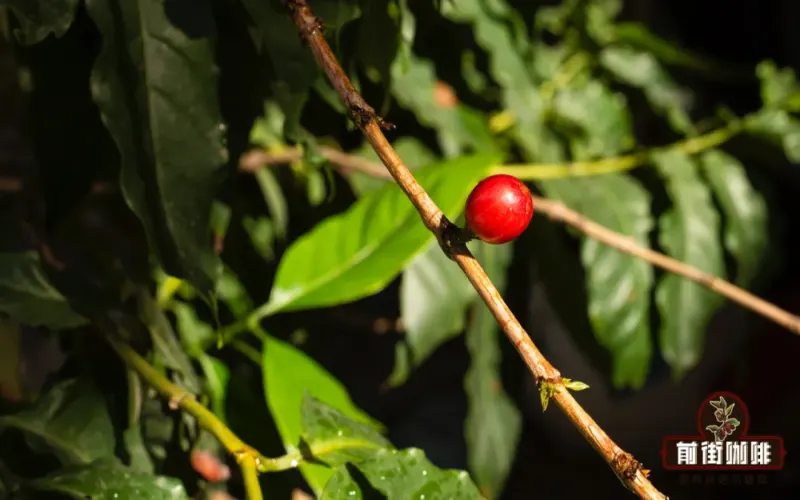
What Is Whole-Ripe-Cherry Picking? How the Red Cherry Project Drives Quality Improvement in Specialty Coffee
In coffee bean promotions, we often see phrases like "all-red cherry sun-dried," but all-red cherry is not actually the name of a processing method; rather, it refers to the practice of picking coffee cherries when they are fully red. So why is all-red cherry picking so important? What story of industrial transformation lies behind it? This article will analyze, from the perspective of Front Street, the impact of all-red cherry picking on coffee quality, review the evolution of harvesting methods in the early days of specialty coffee, and introduce the "Red Cherry Project" launched in 2007 by the Dutch green bean trader Trabocca, examining how it broke the vicious cycle between coffee farmers and green bean traders by raising the purchase price for high-quality coffee, ultimately achieving a win-win-win for farmers, merchants, and consumers. [more…]
What Exactly Is the Red Cherry Project? The Flavor Code and Brewing Essentials of Yirgacheffe Natural Beans
The "Red Cherry Project," which frequently appears on café menus, is often mistaken to mean that cherries have been added to the coffee, and some even claim to taste cherry flavor in it. In reality, the name comes from the dark red appearance of ripe coffee fruit, which resembles a cherry. The Red Cherry Action was initiated by the Dutch coffee merchant Trabocca, aiming to improve the coffee quality of smallholder farms in Ethiopia by strictly selecting fully ripe fruit. This article will provide a complete analysis of the origins, operating methods, and producing regions of the Red Cherry Project, and will focus on the Yirgacheffe Natural Red Cherry produced by Front Street Coffee, breaking down this bean's flavor performance and extraction logic one by one—from terroir and processing methods to roasting curves and brewing parameters—to help coffee lovers truly understand the value of Red Cherry coffee. [more…]
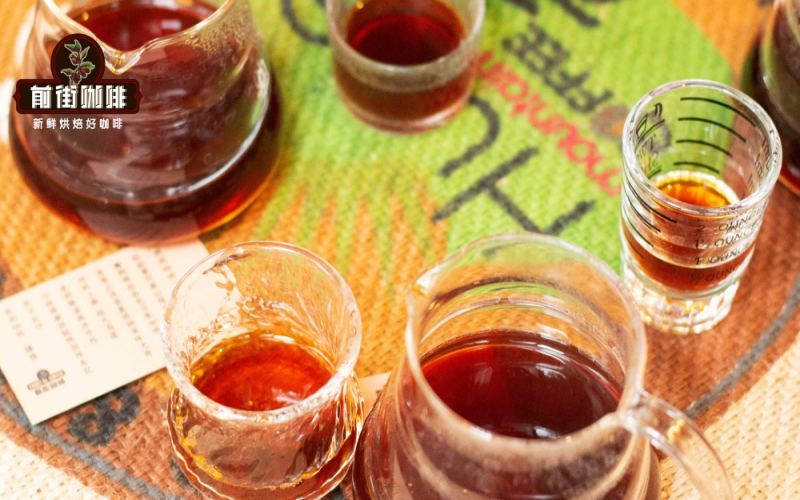
Front Street Coffee Yirgacheffe Garse Gersi Red Honey Process Brewing Guide: Flavor Profile and Pour-Over & Iced Brew Parameter Analysis
Yirgacheffe has always been known for its bright floral aroma and citrus notes, but the red honey processing method brings a completely different taste experience to this classic region. Front Street Coffee Yirgacheffe Garse Red Honey is made using fully ripe red cherry picking and a 58-hour anaerobic pre-fermentation, combined with shade-dried slow drying and a depulping process that retains the mucilage, ultimately presenting a rich layering of jasmine, elderflower, and various ripe fruits intertwined. This article will break down the processing details and flavor origins of this bean in detail, and provide two complete parameter schemes—a regular pour-over and a Japanese-style iced pour-over—to help you consistently reproduce its clean, crystal-clear yet full, sweet, and smooth cup performance at home. [more…]

Is Pink Bourbon really a Bourbon? One article to understand the origins, flavor characteristics, and pour-over performance of Pink Bourbon
Bourbon is one of the important parent species of Arabica coffee, derived from Typica, and is now widely cultivated in Central and South America. Besides the common Red Bourbon, there is also Yellow Bourbon, which turns orange-yellow when ripe, and the rarer Pink Bourbon. Is Pink Bourbon actually a Bourbon? What theories exist about its genetic origins? What is special about its flavor? This article will start with the origin and spread of Bourbon, sort out the differences between Red Bourbon, Yellow Bourbon, and Pink Bourbon, and introduce the Brazil Queen Estate Yellow Bourbon coffee beans recommended by Front Street Coffee, including the producing region, processing method, flavor description, and pour-over parameters, to help coffee lovers fully understand this rare variety. [more…]

Indonesian Civet Coffee Bean Flavor Story and an Analysis of Its Differences from Yunnan Civet Coffee
Kopi Luwak was once regarded as a luxury in the specialty coffee world, selling for as much as $500 per pound in New York in 2002, and its scarcity is an important reason for its high price. It carries the herbal aroma, high body, and indescribable sweetness unique to Indonesian coffee, but is its flavor really worthy of its name? From the perspective of Front Street Coffee, this article sorts out the origin story of Indonesian Kopi Luwak, the reasons behind its flavor, the real impact of the fermentation treatment method inside the civet's body, and compares it with Indonesian Mandheling and Chinese Yunnan Kopi Luwak, finally attaching the roasting and brewing data for this Kopi Luwak in Front Street's shop for coffee lovers' reference. [more…]
An Analysis of the Pros and Cons of Natural Process Coffee Beans: Flavor Characteristics, Processing Risks, and Price Factors
As one of the oldest methods of primary coffee processing, the natural method still dominates in producing regions such as Ethiopia and Yemen. This processing method places ripe coffee cherries directly under sunlight to dry naturally, then removes the skin and pulp, placing extremely high demands on climate and labor throughout the entire process. Properly processed natural beans can present outstanding sweetness, body, and ripe fruit notes, but if poorly managed, they are prone to mold and over-fermentation, causing drastic fluctuations in quality. This article will analyze the natural process from the perspectives of its workflow, climate requirements, flavor characteristics, advantages and disadvantages, and cost structure, and introduce the high-value natural single-origin beans under the Front Street brand, helping coffee enthusiasts fully understand the value and risks of this processing method. [more…]
The Origin and Flavor Analysis of Indonesian Kopi Luwak: From Fermentation in the Civet's Body to Front Street Coffee's Complete Brewing Parameters
Indonesian kopi luwak has long been regarded as a luxury in the specialty coffee circle. In 2002, it sold for as much as $500 per pound on the New York market, mainly because of its scarce production. Although its name is not elegant, its flavor carries Indonesia's distinctive herbal notes and heavy, mellow body, along with an indescribable sweet aftertaste. In this article, Front Street Coffee sorts out the origin story of kopi luwak, the reasons behind its flavor, and the true role of the fermentation process inside the civet's body, and also includes the roasting and brewing data for this bean at Front Street's store, for coffee lovers to reference when judging whether it is a legend or a gimmick. [more…]
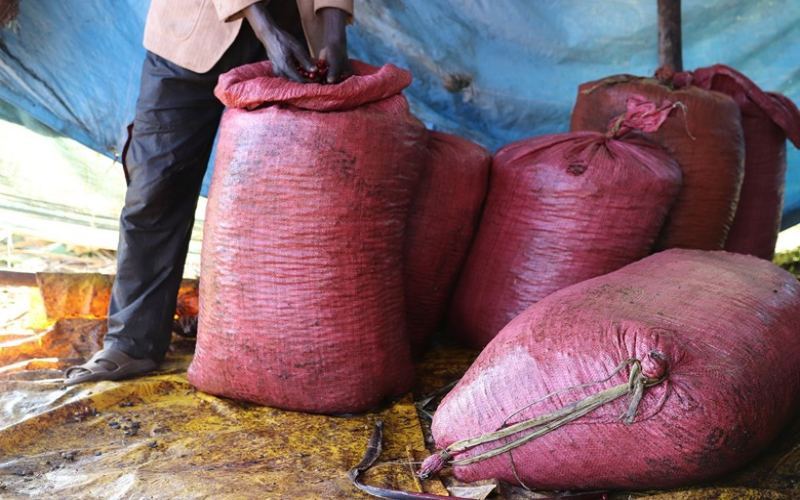
How Coffee Cherries Are Harvested: Hand-Picking, Floatation, and Defective Beans
The refinement of specialty coffee often begins the moment it is harvested. In the same coffee field, the difference in final flavor between careful harvesting and careless harvesting may be even greater than that of roasting. How are coffee cherries picked one by one? Why must defective beans be removed? This article takes you into the scene of harvesting and grading. Handmade [more…]
The Origin of the Red Cherry Project and Yirgacheffe Red Cherry Coffee Beans: Natural and Washed Flavor, Medium-Light to Medium-Dark Roasting, and Brewing Guide
What exactly does the "Operation Cherry Red" that frequently appears on café menus mean? Many people mistakenly believe that Red Cherry coffee has a cherry flavor, but that is not the case. Operation Cherry Red is a quality improvement project initiated by the Dutch coffee trader Trabocca, encouraging small-scale farms in Ethiopia to carefully select fully ripe coffee cherries. The Yirgacheffe Natural Red Cherry supplied by Front Street Coffee comes from this project. This article will begin with the origins, operating mechanism, and producing region distribution of Operation Cherry Red, and then provide a detailed interpretation of the origin information, flavor characteristics, processing method, and suitable brewing parameters and techniques for medium-light roast and medium-dark roast of Front Street Natural Red Cherry, helping coffee enthusiasts gain a comprehensive understanding of this coffee. [more…]
Is Indonesian Kopi Luwak Sour or Bitter? Origin, the Truth About In-Body Fermentation, and Why It's So Expensive
The fame of Kopi Luwak is almost on par with Jamaican Blue Mountain coffee; even those who don't often drink specialty coffee have likely heard of it. The name may not sound elegant, but why is it so famous and so expensive? From the perspective of Front Street, this article sorts out the historical origins and flavor profile of Indonesian Kopi Luwak, clarifies whether it is sour or bitter, and analyzes the real impact of the in-body fermentation process of the civet on coffee beans. It also explains the reasons for its high price and scarcity, as well as the difference between wild and artificially fed beans, and finally includes the parameters and brewing suggestions for this Front Street Indonesian Kopi Luwak coffee bean. [more…]
Flavor Analysis of Colombia Granja El Roble Rose Valley Anaerobic Double Enzyme Washed Coffee and Front Street Coffee Recommendation
In the Santander region of Colombia, there is a Large Tree Estate run by the Vargas family for twenty years, producing a coffee named "Rose Valley," which undergoes a unique anaerobic double enzyme washed processing method. The estate only picks fully ripe, bright red cherries, which after washing enter the anaerobic fermentation stage, with a special enzyme blend added for a second fermentation, and finally are dried slowly at low temperatures to preserve delicate flavors. This coffee presents a complex layering of rose, strawberry jam, ripe peach, melon, magnolia, and wine-like aromas. Front Street Coffee particularly recommends this bean, and this article will take you into a deeper understanding of its origin background, processing techniques, and flavor characteristics. [more…]
What Is the Red Cherry Project? A Complete Analysis of Front Street Coffee's Natural Red Cherry Brewing Method and Flavor Characteristics
In the specialty coffee world, the ripeness of coffee cherries directly determines the quality expressed in the final cup. Front Street Coffee's Front Street Yirgacheffe Natural Red Cherry is a select lot from Ethiopia's "Red Cherry Project." The project was initiated by Trabocca, the largest green coffee trader in the Netherlands. It requires partner farms to harvest only 100% ripe red cherries, which are then hand-sorted by local women with sharp eyes and a willingness to work hard. Only lots scoring 88 or above in cupping are eligible for selection. This article will guide you through the origins and operation of the Red Cherry Project and share Front Street Coffee's brewing parameters and flavor performance using two devices—the strawberry dripper and the origami dripper—to help coffee lovers recreate this bean's floral aroma and fruity sweetness at home. [more…]
The Path to Refinement for Specialty Coffee Beans: Key Processes from Branch Red Cherry to Aromatic Cup
For a coffee bean to become specialty coffee is by no means easy. From variety, origin, microclimate, to the careful cultivation by the coffee farmer, every step affects the final flavor. But even if plump red cherries are produced, not every single one can advance to become specialty coffee. Picking, judging ripeness, removing defects, and green bean processing—no stage can be missing. This article takes you through the complete journey of this magical fruit, seeing how it goes from branch to cup, and helping you better understand how hard-won that cup of coffee in your hands really is. [more…]
What Is the Red Cherry Project? Which Ethiopian Regions Are Implementing It? Yirgacheffe Natural Red Cherry Flavor Analysis
The Operation Cherry Red is a coffee quality improvement project initiated in 2007 by the Dutch green bean merchant Trabocca, aimed at breaking the vicious cycle of extensive harvesting by Ethiopian coffee farmers due to low prices by purchasing 100% fully ripe red cherries at prices far above the market. The project currently covers unique-flavor production areas such as Yirgacheffe, Sidamo, Bonga Forest, and Lekanti. A Operation Cherry Red coffee bean acquired by Front Street Coffee comes from the Yirgacheffe production area, using natural processing and light roasting, and after pour-over brewing presents a fresh citric acidity with berry and strawberry flavors, and a refreshing mouthfeel. This article will provide a detailed interpretation of the Operation Cherry Red's operating mechanism, its implementation areas, and its profound impact on Ethiopian coffee quality. [more…]
What Is the Difference Between Natural and Honey Processed Coffee Beans? From Processing Flow to Sweetness Performance, Explained Clearly at Once
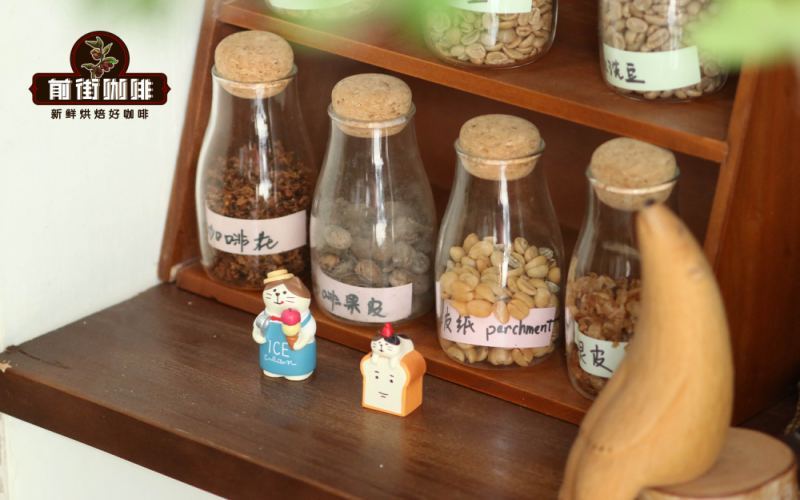
Washed, natural, and honey processing are the three traditional coffee processing methods. Among them, natural and honey processing both carry sweetness and fermented notes, often making them hard to distinguish. From the perspective of Front Street Coffee, this article first introduces the structure of the coffee berry and the key points of screening before processing, then breaks down the complete processes of natural processing and honey processing respectively, including the drying and depulping steps of natural processing, the pectin retention ratio of honey processing, and the differences between yellow honey, red honey, black honey, and raisin honey processing. The article also compiles the roasting recommendations, cupping reports, and brewing parameters for two representative beans — Front Street Yirgacheffe Natural Red Cherry and the Front Street Musician Series Bach — helping coffee enthusiasts understand the source of flavor from the perspective of processing methods. [more…]
Costa Rica Musician Series Bach Coffee Beans: Flavor Analysis of the Raisin Honey Process and Yellow Catuai Variety
At Hacienda Canet in the Tarrazú region of Costa Rica, a musician-series coffee bean named Bach is unforgettable for its rich, solid fermented flavor. This bean uses a unique raisin honey process, retaining 100% mucilage with zero water processing, and combined with the high-altitude growing advantages of the Yellow Catuai variety, it presents a wine-like fermented sensation, the sweet-tartness of red berries, and rose floral notes. Through cupping and brewing, Front Street Coffee found that from dry aroma to aftertaste, the fermented scent of ripe grapes runs throughout, while a medium-light roast better preserves the captivating floral aroma and high sweetness. This article will deeply analyze the origin background, processing method, roasting curve, and brewing parameters of Bach coffee beans, taking you to appreciate the complete character of this "Air on the G String in the mouth." [more…]
Flavor Characteristics of Natural Yirgacheffe Aricha Coffee Beans and Front Street Brewing Parameter Breakdown
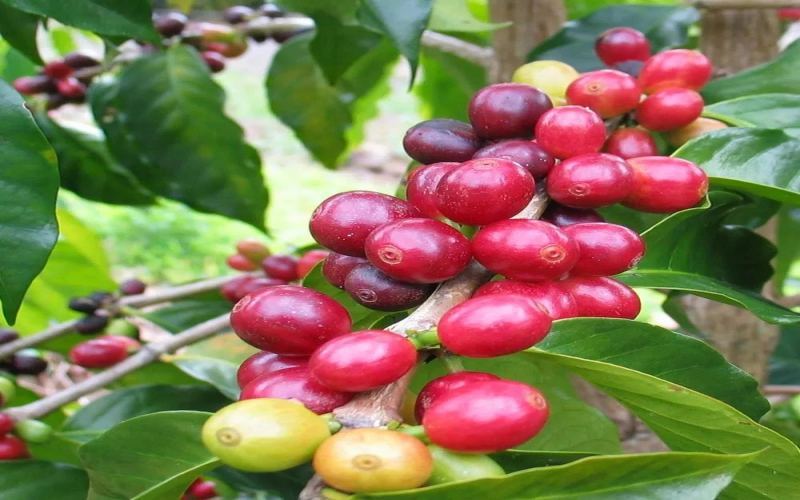
Ethiopia is the birthplace of coffee, and Yirgacheffe is one of its most iconic specialty regions, known for its citrus florals and bright acidity. Washed Yirgacheffe is clean and transparent, while the natural process gives the coffee a fuller sweetness and fermented aroma. This article focuses on the Yirgacheffe Aricha natural coffee beans introduced by Front Street Coffee, covering the region's background, the story of the processing station, green bean grade, brewing parameters and flavor performance, while also comparing the differences between washed and natural processing methods, to help coffee lovers more fully understand the unique charm of this bean and Front Street Coffee's roasting philosophy. [more…]
Exploring Ethiopia Yirgacheffe Idido Cooperative: A Complete Analysis of the Flavor and Brewing of High-Altitude Red Honey Processed Coffee
Yirgacheffe, as one of Ethiopia's most representative specialty coffee regions, has its Idido Cooperative continuously producing stunning coffee beans thanks to its high-altitude valley environment, heirloom variety advantages, and excellent processing techniques. This article will start with the cooperative's operational background, sort out its relationship with the YCFCU union and its direct trade model, then focus on the details of the Red Cherry Project and the red honey processing method, and fully document Front Street Coffee's roasting curve, cupping performance, and V60 brewing parameters for this Yirgacheffe red honey-processed Red Cherry, providing coffee enthusiasts with a comprehensive reference extending from the origin to the flavors in the cup. [more…]